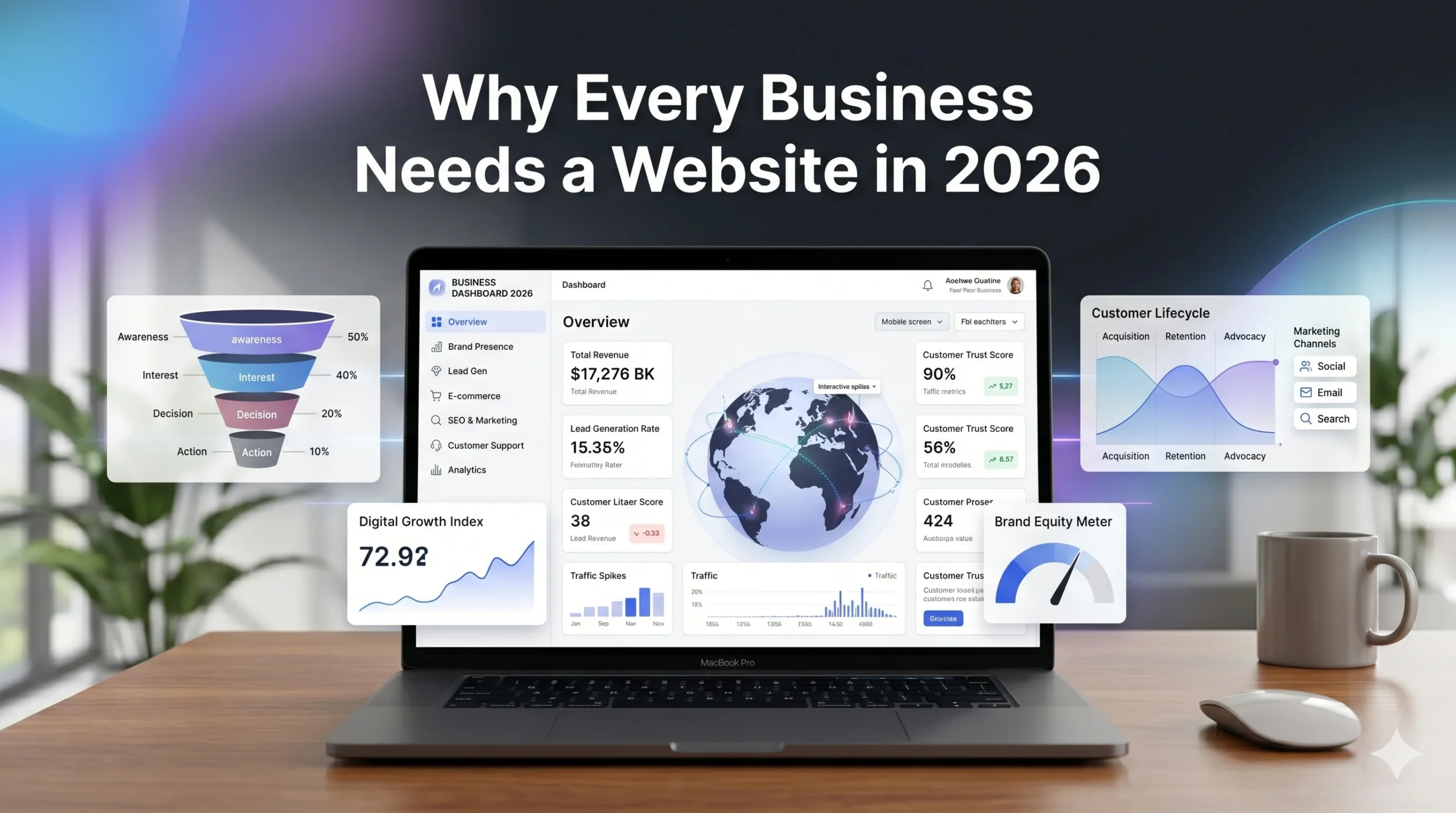
Why Every Business Needs a Website in 2026
Introduction
In 2026, having a business without a website is becoming increasingly difficult to justify. Whether you run a small local shop, a freelance service, or an online brand, customers expect to find you online.
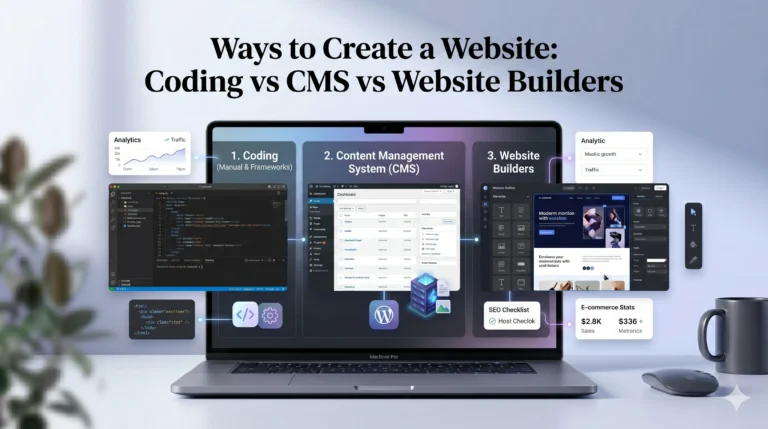
This article explains why every business needs a website in 2026, what practical benefits it offers, and how even beginners can create one using tools like Wix and Squarespace.
If you’re unsure whether a website is worth the effort, this guide will give you a clear, realistic answer.
The Shift to Digital: What’s Changed?
Consumer behavior has evolved. Before making a purchase, most people:
- Search online for information
- Compare options
- Check reviews
- Visit official websites
If your business doesn’t appear in that process, you’re likely missing opportunities.
A website is no longer just a “nice-to-have”—it’s a core part of how customers evaluate trust and credibility.
Your Website Is Your Digital Storefront
A physical shop has a location. A website is your online location.
It allows customers to:
- Learn about your services
- View your products
- Contact you easily
- Make purchasing decisions
Unlike social media pages, a website is fully controlled by you.
Real-World Example:
A local bakery with a website can:
- Display menus
- Show opening hours
- Accept online orders
Without a website, customers may choose competitors who provide that convenience.
Builds Trust and Credibility
In 2026, many customers expect a business to have a website. Without one, your business may appear less established.
A well-designed website:
- Signals professionalism
- Provides clear information
- Helps customers feel confident
Even a simple site with essential details can significantly improve trust.
Available 24/7
Unlike a physical location, a website works around the clock.
Customers can:
- Browse products anytime
- Submit inquiries
- Learn about your services
This is especially useful for:
- Online businesses
- Service providers
- Global audiences
Expands Your Reach Beyond Local Customers
A website allows your business to reach:
- Customers in other cities
- National markets
- International audiences
This is particularly valuable for:
- eCommerce businesses
- Digital services
- Freelancers
Without a website, your reach is often limited to your immediate location.
Cost-Effective Marketing Channel
Compared to traditional advertising, a website is relatively affordable.
Once set up, it can:
- Attract organic traffic through SEO
- Showcase your offerings
- Convert visitors into customers
Website builders like Wix and Squarespace include built-in tools to help optimize your site for search engines.
Full Control Over Your Brand
Social media platforms are useful, but they come with limitations:
- Algorithm changes
- Limited customization
- Platform dependency
A website gives you:
- Full design control
- Ownership of your content
- Flexibility to grow
This control becomes increasingly important as your business scales.
Supports Business Growth
As your business grows, your website can evolve with it.
You can add:
- Online booking systems
- eCommerce functionality
- Blog content
- Customer support features
Modern platforms make scaling easier without needing technical expertise.
Helps You Compete in a Crowded Market
Your competitors likely already have websites. Without one, you may be at a disadvantage.
A website allows you to:
- Differentiate your brand
- Highlight unique offerings
- Provide better user experience
Even small improvements in online presence can influence customer decisions.
Pros and Cons of Having a Website
Pros:
- Increased visibility
- Improved credibility
- 24/7 accessibility
- Better marketing opportunities
- Scalability
Cons:
- Initial setup time
- Ongoing maintenance
- Monthly costs (depending on platform)
Overall, the benefits typically outweigh the drawbacks for most businesses.
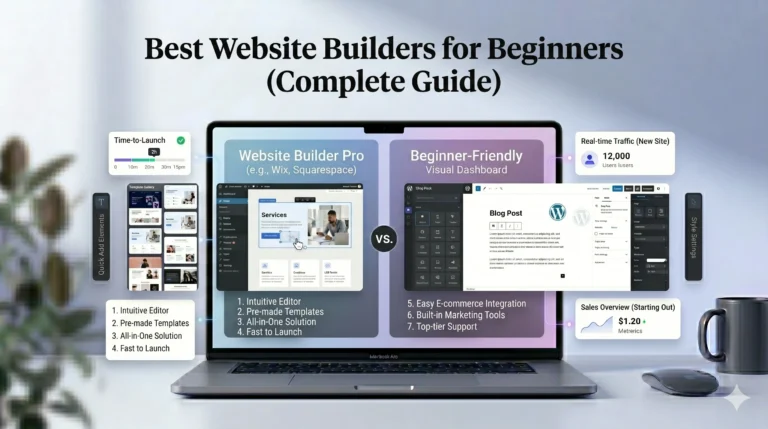
Wix vs Squarespace: Which Is Better for Businesses?
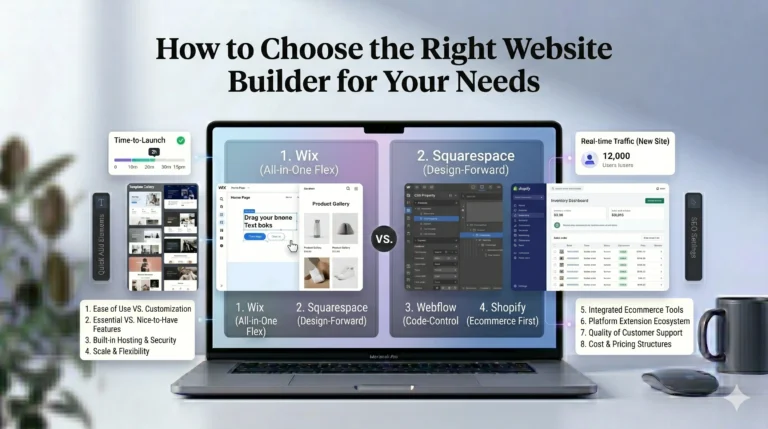
If you decide to build a website, choosing the right platform matters. Two popular options are Wix and Squarespace.
| Feature | Wix | Squarespace |
|---|---|---|
| Ease of Use | Very beginner-friendly | Slightly structured interface |
| Design Flexibility | High customization | Clean, design-focused templates |
| Templates | Wide variety | High-quality, modern designs |
| SEO Tools | Built-in and beginner-friendly | Strong, but slightly less guided |
| Pricing | Flexible plans | Simple pricing structure |
| Best For | Small businesses, beginners | Creatives, brands, portfolios |
Summary:
- Choose Wix if you want flexibility and ease of use
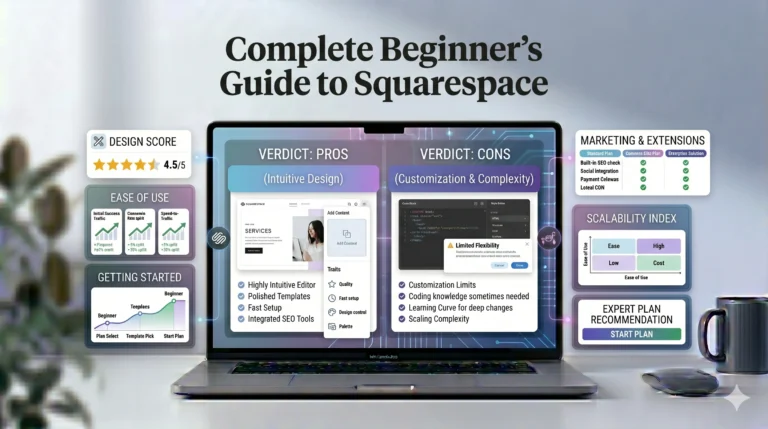
- Choose Squarespace if design and aesthetics are your priority
Actionable Tips for Business Owners
If you’re planning to create a website, here are practical steps:
- Start with a clear goal (sales, leads, information)
- Keep design simple and clean
- Use high-quality images
- Write clear, helpful content
- Make navigation easy
- Ensure mobile responsiveness
- Optimize for search engines
Who Should Use This?
This guide is especially useful for:
- Small business owners
- Freelancers and consultants
- Local service providers
- eCommerce beginners
- Startups building an online presence
FAQs
1. Is a website necessary if I use social media?
Yes. Social media is helpful, but a website gives you full control and credibility.
2. How much does it cost to build a business website?
Costs vary, but most website builders range from $10 to $30 per month.
3. Can I build a website without technical skills?
Yes. Platforms like Wix and Squarespace are designed for beginners.
4. How long does it take to create a website?
A basic website can be created in a few hours to a few days.
5. Which platform is better for beginners?
Wix is generally easier for beginners, while Squarespace offers more polished design templates.
Final Verdict
The importance of having a website continues to grow. In 2026, it plays a central role in how customers discover, evaluate, and engage with businesses.
While not every business needs a complex website, having at least a simple, well-structured online presence is increasingly essential.
For beginners, tools like Wix and Squarespace make it possible to build a professional website without technical expertise.
The key is to start with a clear purpose, focus on usability, and improve over time.